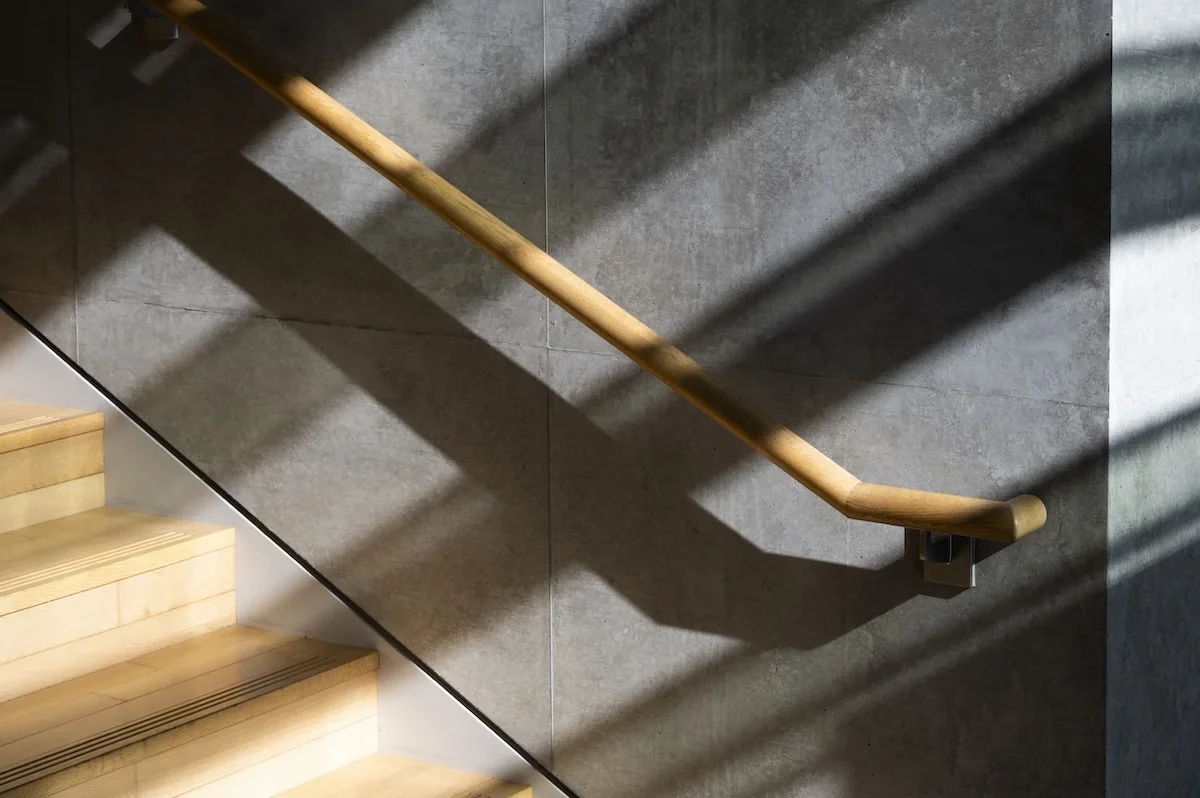
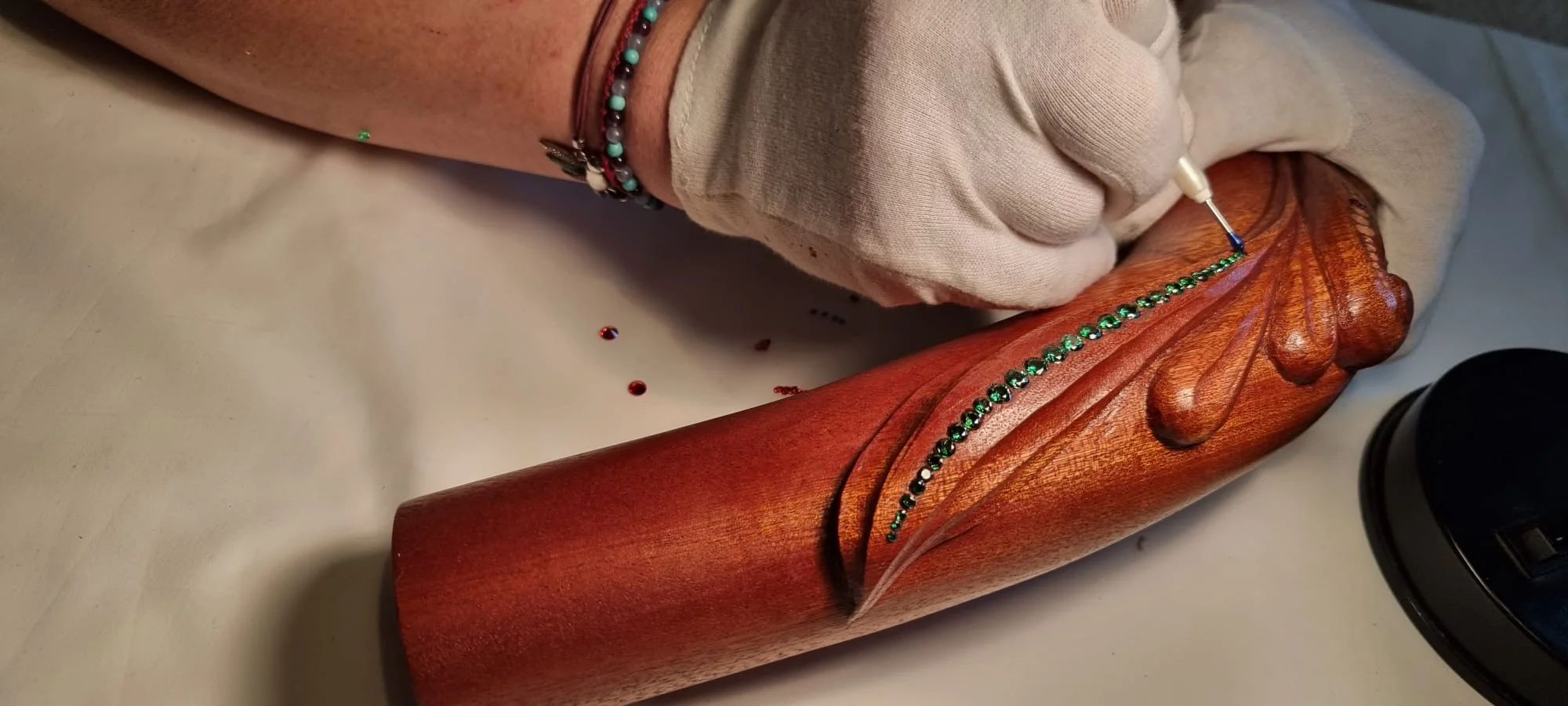
In modern interior design, the handrail has transcended its functional roots to become the “tactile anchor” of the home. As we move into 2026, staircase design is shifting toward “Quiet Luxury” and “Sustainable British Joinery,” where the quality of natural materials takes centre stage. Unlike mass-produced, machine-made fittings, a bespoke hand-carved wooden handrail offers a level of heritage and durability that grows richer with time.
Selecting the Right Timber: Aesthetics vs. Performance
The performance and lifecycle of your staircase are largely determined by your choice of timber species. Hardwoods remain the industry standard due to their superior resistance to the mechanical stresses of daily use.
- European Oak: Historically the dominant choice for British joinery, Oak is prized for its high tannin content, which provides natural rot resistance. It features a straight, uniform grain that is ideal for both traditional and contemporary styles.
- American Black Walnut: Known as the “Luxury Choice,” Walnut offers rich, dark tones and a sophisticated presence. It is frequently specified for “Vision” staircases where a high-contrast aesthetic is required.
- Ash Wood: If you seek a lighter, contemporary look, Ash is an excellent alternative. It possesses exceptional shock resistance and a distinctive grain pattern that responds beautifully to modern finishes.
- Sapele (The Mahogany Alternative): For high-traffic areas, Sapele is a formidable contender. With a Janka hardness rating of approximately 1,510—outmatching even Oak—it provides a robust, reddish-brown lustre that is highly durable for both residential and commercial use.
Design Profiles: From Minimalist to Masterpiece
A handrail’s profile should balance ergonomic comfort with visual intent. 2026 design trends emphasise “Seamless Movement” through continuous handrails that connect floors without visual interruption.
- Continuous Handrails: These are on the rise for their ability to create a smooth, flowing line through complex stairwells.
- Curved & Helical Rails: Hand-carving curved rails to match bespoke staircase cladding is a technical art form, ensuring the timber grain follows the stairs’ natural arc.
- Modern Pairings: We are seeing a trend in combining wooden handrails with glass balustrades or black metal spindles to create a “transitional” look that feels both grounded and airy.
Finishing and Protection
The right finish acts as a protective shield against moisture, scratches, and daily wear.
- Hard Wax Oil: This is often the preferred choice for bespoke joinery because it is “breathable,” nourishing the timber from within while allowing for easy spot repairs without needing to sand the entire rail.
- Polyurethane: Best for maximum abrasion resistance in high-traffic hallways, though it can be more difficult to repair if scratched.
- The “Invisible” Finish: Ultra-matt oils are currently trending, protecting the wood while maintaining its raw, natural appearance—a hallmark of the “natural materials” movement for 2026.
Safety & UK Building Regulations
Compliance is non-negotiable for safety and property value. Under Approved Document K, domestic handrails must meet specific criteria:
- Handrail Height: Must be installed between 900mm and 1000mm measured vertically from the pitch line of the stairs.
- Graspability: Circular handrails should have a diameter between 32mm and 50mm to ensure a firm, safe grip for all users.
- Continuity: Handrails should be “unobstructed” and contrast visually with their background to assist those with visual impairments.
RR Interior: Hand-Carved Heritage
At RR Interior, we bridge the gap between architectural vision and artisan reality. Based in London (E6 3QP), our process focuses on sourcing FSC-certified premium timbers to ensure every rail is as sustainable as it is beautiful. From initial consultation to hand-carved installation, we transform staircases into focal points of authentic luxury
Ready to elevate your home? Request a Free Quote today.
What is the best wood for a stair handrail?
The best woods for stair handrails are hardwoods like European Oak and American Black Walnut. These species offer the necessary density (Janka hardness) to resist denting while providing a stable surface for intricate hand-carved details.
What is the legal height for a staircase handrail in the UK?
According to UK Building Regulations Approved Document K, domestic handrails must be set at a height of 900mm to 1000mm above the pitch line of the stairs or the floor of a landing.
How do you maintain a bespoke wooden handrail?
For handrails finished with Hard Wax Oil, maintenance involves regular dusting and a fresh coat of oil every 12 to 24 months. This nourishes the timber and restores its protective seal without the need for intensive sanding.