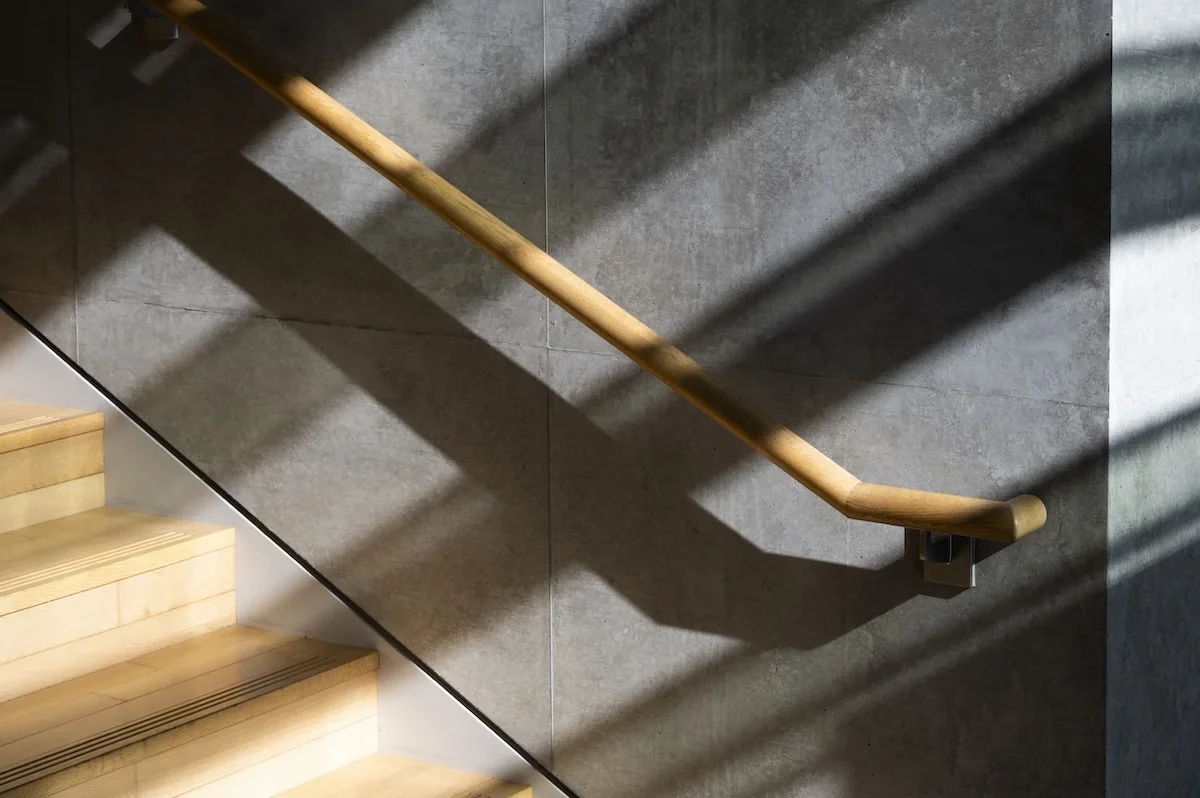
Wooden handrails get touched a lot. They pick up skin oils, dust, and grime. Over time, the finish can dull, go sticky, or wear thin. Outdoor rails face sun, rain, and frost too.
Good care is simple. You need the right routine, gentle cleaning, and the right finish for the job. This guide covers cleaning, protection, small repairs, and a seasonal plan.
Alright, let’s get into it.
Why wooden handrails need care
Handrails fail in predictable ways.
- Oils from hands build a dull film
- Dust sticks to that film
- Moisture can raise the grain
- Sun can grey bare wood outdoors
- Worn finish can reduce grip
Small upkeep stops bigger work later.
Know what you are working with
Handrails are not all the same wood. Softer woods mark faster. Dense hardwoods cope better with wear.
Here is a quick guide.
| Wood type | Hardness | Common issues | Care focus |
|---|---|---|---|
| Oak | High | Dulls with oils | Regular degrease and recoat on time |
| Maple | High | Shows grime | Gentle clean, avoid dark residues |
| Teak | High | Can dry out | Light clean, oil only when needed |
| Pine | Low | Dents and scratches | Softer touch, faster spot repair |
| Cherry | Medium | Marks show | Mild cleaners, even finish care |
Now the key point. The finish matters more than the species day to day.
The basic routine that keeps rails looking right
Daily or as needed
Use a dry microfibre cloth. Follow the grain. Focus on the most used sections.
That is it.
Weekly
- Dust with a microfibre cloth
- Vacuum creases near spindles using a soft brush
- Check for sticky patches near turns and ends
Quick win: keep a cloth in a stair cupboard. Use it in seconds.
Monthly deep clean
Here is the safe method most homes need.
- Mix warm water with a small drop of mild washing-up liquid
- Dampen a cloth, then wring it well
- Wipe along the grain
- Use a second damp cloth to remove soap film
- Dry right away with a clean towel
Important: do not soak the rail. Water left on wood can cause swelling.
Products to avoid on wooden handrails
This matters more than people think. Some cleaners strip finishes. Others leave a slick layer that attracts dust.
Avoid:
- Bleach
- Ammonia cleaners
- Abrasive pads
- Strong degreasers
- Steam cleaners
- Silicone-based furniture sprays
- Excess water or dripping wipes
Heads up: “oil soap” products can leave build-up on some finishes. That often leads to a sticky feel.
How to remove sticky build-up
Sticky rails are common. The usual cause is a mix of skin oils and old polish film.
Try this in order.
Step 1: mild soap clean
Use the monthly method above. Dry well. Test the feel after it dries.
Step 2: diluted vinegar for residue
Mix 1 part white vinegar with 4 parts water. Dampen a cloth. Wipe a small section. Then wipe again with plain water. Dry at once.
Use this rarely. Vinegar is acidic. Too much can dull some finishes.
Step 3: reset the finish
Sticky can mean the top coat is failing. A light scuff and fresh coat often fixes it. More on that below.
Indoor vs outdoor wooden handrail care
Indoor rails face oils and dust. Outdoor rails face weather and UV.
| Factor | Indoor handrails | Outdoor handrails |
|---|---|---|
| Main threats | Oils, grime, wear | Sun, rain, frost, mould |
| Cleaning | Weekly dust, monthly wipe | Monthly wash, seasonal scrub |
| Resealing | Every 1-3 years | Every 1-2 years |
| Best finishes | Hard wax oil, varnish | Exterior stain plus UV sealer |
| Extra checks | Stickiness and dull patches | Water beading, cracks, black spots |
Here is the thing: outdoor wood needs a barrier. Bare wood greys fast in sun and wets in rain.
Choosing the right finish
Finish choice controls feel, grip, and upkeep. This table helps you pick fast.
| Finish type | Best for | Feel | Durability | Recoat timing |
|---|---|---|---|---|
| Natural oil (tung, Danish) | Indoor rails, natural look | Warm, low sheen | Medium | 6-12 months |
| Hard wax oil | High-touch indoor areas | Smooth, grippy | High | 12-18 months |
| Varnish or polyurethane | Busy stairs, some outdoor use | Hard film | Very high | 2-3 years |
| Paint | Colour match, easy cleaning | Even, sealed | High | 3-5 years |
| Exterior stain plus sealer | Outdoor rails | Weather barrier | High | 1-2 years |
Now a practical tip. Film finishes like varnish resist oils well. Oil and wax finishes are easier to refresh in small areas.
Small repairs you can do at home
Light scratches
- Clean the area first
- Use very fine abrasive pad or 320 grit paper
- Sand with the grain, very lightly
- Wipe dust away
- Apply a matching finish to the spot
A wax repair stick can hide small marks fast. Match the tone well.
Dents
Dents can sometimes lift with steam.
- Place a damp cloth over the dent
- Press a warm iron on the cloth for a few seconds
- Let it dry
- Repeat once or twice
Stop once the wood lifts. Too much heat can mark some finishes.
Deep gouges
Use a wood filler that can be sanded. Let it cure. Sand flush. Then stain and seal to match.
Loose handrails
Do not ignore movement.
- Check brackets and fixings
- Tighten screws
- Look for pulled wall plugs
- Replace worn fixings with the right type for the wall
Loose rails are a safety issue, not just a cosmetic one.
Refinishing a wooden handrail step-by-step
This is the reset button. Use it when the rail feels rough, looks patchy, or has worn-through areas.
What you need
- Microfibre cloths
- Mild cleaner
- 220 grit sandpaper
- Tack cloth or vacuum with brush
- Chosen finish
- Gloves
- Good ventilation
Steps
- Clean the rail and let it dry
- Lightly sand with the grain using 220 grit
- Remove dust fully
- Apply the finish in thin coats
- Let it cure fully before heavy use
Quick check: thin coats beat thick coats. Thick coats can run and feel plastic.
For outdoor rails, choose a product made for exterior use. Recoat as the label states.
A seasonal maintenance calendar
Here is a simple plan you can repeat each year.
| Season | Indoor handrails | Outdoor handrails |
|---|---|---|
| Spring | Deep clean, check dull spots | Wash, inspect for cracks, reseal as needed |
| Summer | Wipe oils more often | Check UV fade, top up protection |
| Autumn | Light refresh coat on wear zones | Recoat before wet months |
| Winter | Keep dry, avoid harsh cleaners | Remove grime, avoid de-icing salt contact |
Keep notes on your phone. Dates help you spot patterns.
Hygiene notes for high-touch rails
Handrails are high-touch surfaces. Regular cleaning helps reduce grime and germs on contact points.
Use a lightly damp antibacterial wipe only when needed. It must not drip. Dry after. Avoid strong disinfectants that can strip finishes.
UK safety and compliance notes
Handrails should stay safe to grip. A worn finish can become slippery. Heavy build-up can also reduce traction.
Basic UK guidance often references Approved Document K for stairs and guarding. During repair or replacement, keep grip, continuity, and secure fixing in mind.
For complex issues, get a qualified joiner or carpenter to check fixings and structure.
Common mistakes to stop making
- Using too much water
- Scrubbing across the grain
- Spraying polish straight onto the wood
- Mixing many products over time
- Ignoring early wear at turns and ends
- Leaving outdoor rails unsealed
Good care is boring. That is the point.
FAQs
How often should I clean wooden handrails?
Dust weekly. Do a damp wipe monthly. Clean sooner in busy homes.
Can I use vinegar on a wooden handrail?
Yes, but only diluted and not often. Rinse with plain water and dry fast.
Why does my wooden handrail feel sticky?
It is usually oil and polish build-up. Clean first, then reset the finish if needed.
What is the best oil for wooden handrails?
Many people use tung oil or Danish oil indoors. Hard wax oil lasts longer in high-touch areas. Choose based on upkeep, not hype.
Should I sand before oiling or waxing?
A light sand helps adhesion and smoothness. Use fine grit and remove dust fully.
How do I stop an outdoor wooden handrail going grey?
Use an exterior stain and UV-resistant sealer. Recoat on schedule.
A final checklist you can save
- Microfibre dust weekly
- Damp wipe monthly, then dry
- Avoid harsh chemicals and silicone sprays
- Remove sticky build-up early
- Refresh finish before it fails
- Inspect outdoor rails each season
- Fix looseness fast